Advancing Research at AAN 2026: Expanding Impact for the MG and CIDP Communities and Beyond
Immunology Innovation
April 20, 2026
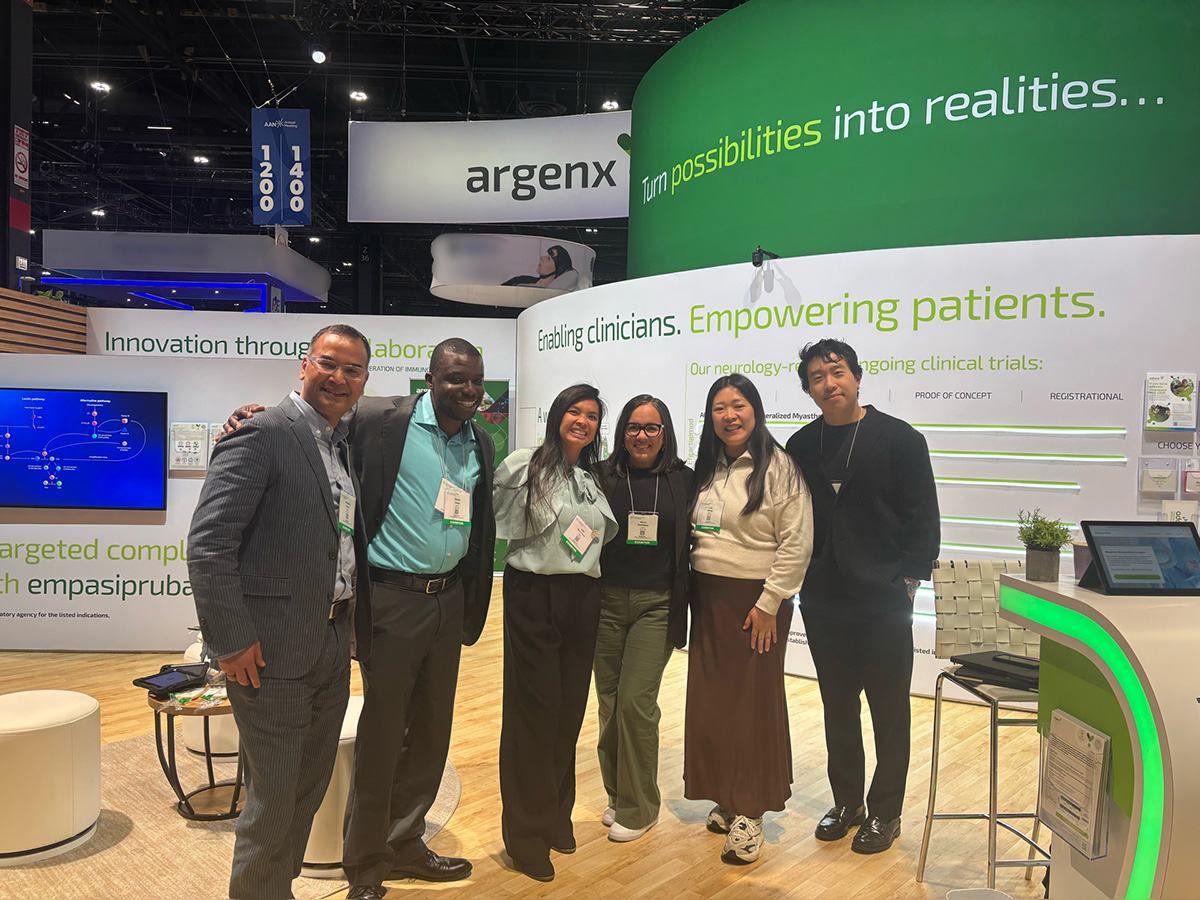
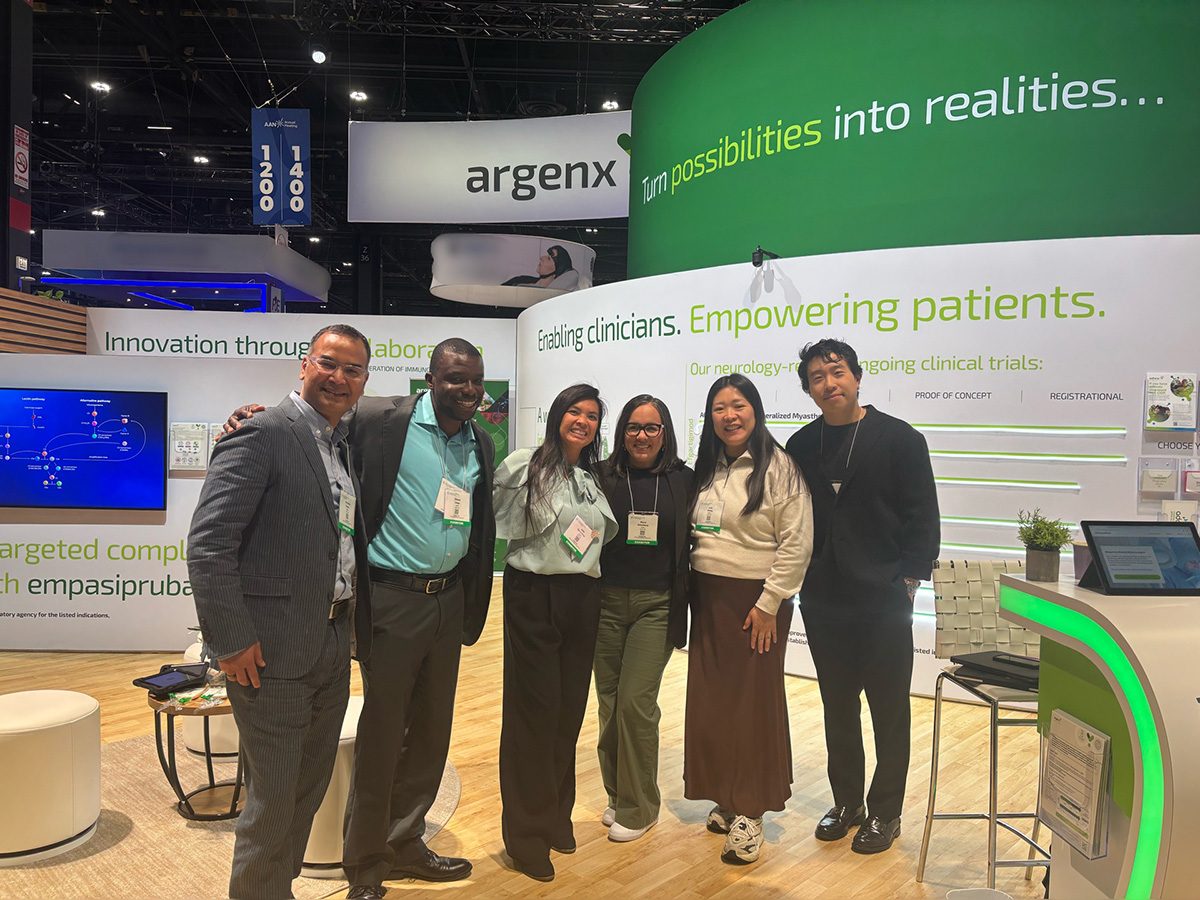
At the 2026 American Academy of Neurology (AAN) Annual Meeting, argenx is presenting a breadth of data across myasthenia gravis (MG), chronic inflammatory demyelinating polyneuropathy (CIDP), and congenital myasthenic syndromes (CMS). Spanning clinical trial data, post hoc analyses, and real-world research, these presentations reflect a growing body of evidence supporting our efforts to address persistent gaps in how these diseases are studied and understood.
Despite therapeutic progress in neuromuscular diseases, variability in disease progression and response to treatment continue to shape clinical decision-making. Our research presented at AAN this year has a specific focus on evidence in patient subgroups that have historically been underrepresented in clinical trials, while strengthening understanding across the broader neuromuscular disease landscape.
Myasthenia gravis (MG) is a rare, chronic autoimmune disease in which symptoms, disease course, and treatment response can vary across patient populations. Historically, some MG subtypes have been underrepresented in clinical trials, contributing to persistent gaps in evidence and treatment options.
At AAN 2026, argenx is highlighting research that supports broader reach across MG patient populations, with a focus on:
Research in these patient populations reflects argenx’s broader effort to expand treatment options across MG and generate evidence that is relevant across a broader range of individuals seen in clinical practice.
Data presented by argenx at AAN 2026 further expand this evidence base, including findings from the Phase 3 ADAPT OCULUS, ADAPT SERON and ADAPT Jr studies. In addition to topline results, new data from ADAPT OCULUS further strengthen evidence for a targeted treatment approach for patients living with oMG. This is the first study to evaluate a targeted treatment for oMG, marking an important step forward in this underserved patient population.


Across presentations, additional MG data further characterize long-term safety and efficacy in clinical trial and real-world settings. Together, this body of evidence helps close key evidence gaps and supports a more comprehensive understanding of MG across broader patient populations.
In chronic inflammatory demyelinating polyneuropathy (CIDP), variability in disease course and treatment response continues to present challenges, and some individuals may experience relapsing or progressing symptoms over time.
At AAN 2026, argenx is presenting findings from a post hoc analysis of the ADHERE study in treatment-naïve individuals, which supports the potential for earlier treatment intervention in CIDP. Real-world physician insights highlight clinical and practical considerations when switching from IVIg to FcRn-targeted therapy in practice.
As CIDP is characterized by variability in disease course and treatment response, these data contribute to a growing body of evidence aimed at improving understanding and management of CIDP across different clinical scenarios.
Our research is firmly grounded in a commitment to people living with severe autoimmune diseases. As part of our co-creation process, we integrate direct patient perspectives along with those of advocacy organizations and healthcare professionals throughout the process, from early discovery to commercial development.
This approach influences key aspects of our research, including:
As a result, studies are designed to better reflect the heterogeneity of these conditions seen in practice, rather than focusing on a narrower subset of the patient population. Grounded in real-world disease experience and informed by direct input from people living with these conditions, HCPs, and advocacy groups, our patient-centered approach demonstrates entrepreneurial science in action.
In addition to MG and CIDP, argenx is advancing research in congenital myasthenic syndromes (CMS). At AAN 2026, argenx is presenting data in CMS that further support our research in this neuromuscular disorder and reinforce our focus on generating evidence in areas where gaps remain.
Across the pipeline, argenx applies a consistent patient-centric, science-driven approach to study design and evidence generation. In practice, this means ensuring research pursuits capture disease heterogeneity, include relevant subpopulations and disease subtypes, and prioritize clinically meaningful endpoints.
Together, the goal is to support the generation of evidence that is applicable in real-world care and supports areas of persistent unmet need.

Explore how we’re advancing our clinical pipeline across autoimmune neuromuscular diseases.


To report an adverse event or product quality issue, please email us at reportnow@argenx.com or call us at 1-833-274-9411.
©2026 argenx | Disclaimer | Privacy Policy | Regulations | U.S. Supplemental Privacy Notice