Immunology Innovation
Mark’s Story: Navigating Life with Ocular Myasthenia Gravis (oMG)
Mark, a retired state law enforcement officer and father of three, experienced the uncertainty of diagnosis firsthand before finally learning that his symptoms were caused by ocular myasthenia gravis
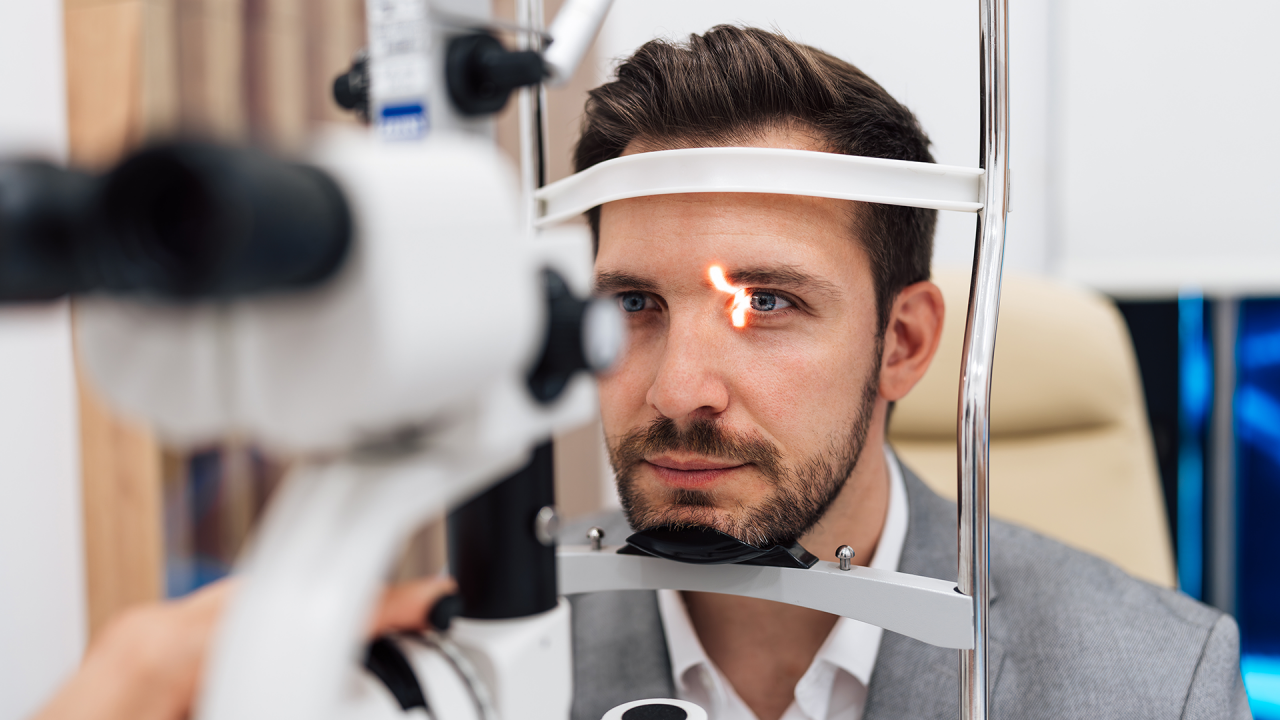
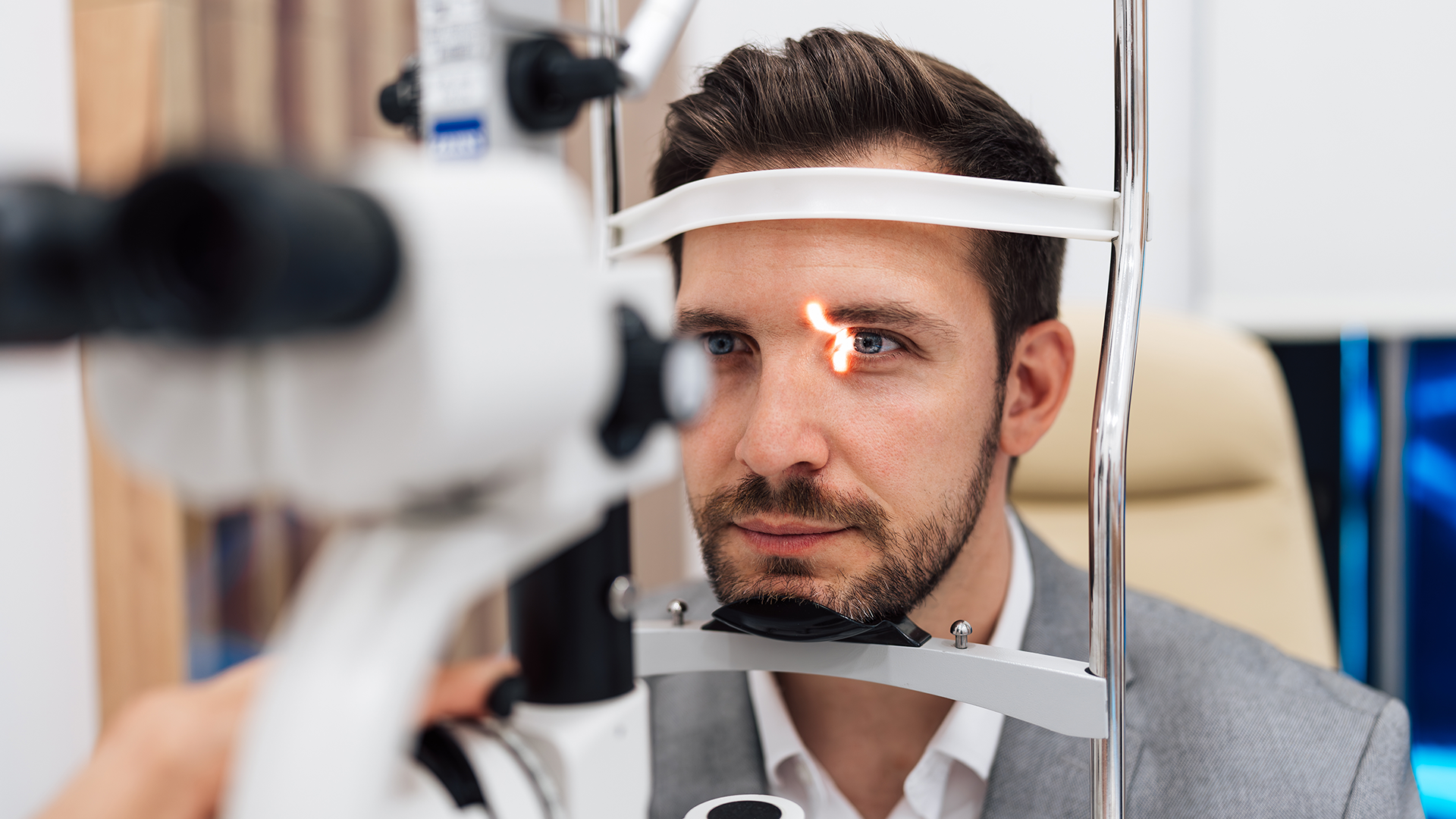
Image features a model and does not depict a real patient
Ocular myasthenia gravis (oMG) is a rare, chronic autoimmune disease that causes weakness in the muscles that control eye and eyelid movement, often leading to double vision and drooping eyelids. These physical complications can significantly impact a person’s daily life, affecting their ability to do routine tasks, such as work or drive a car. For many people, getting an accurate diagnosis can take months or even years, especially because oMG may be underrecognized.
Mark’s Journey to Diagnosis
Mark describes himself as a people person, energized by everyone around him. He’s someone who wakes up and is ready to go, whether it’s running around with his son to sports or keeping up with his two adult daughters. You wouldn’t know from meeting him that he has a debilitating autoimmune condition that took years to diagnose.
Early on before his diagnosis, Mark felt like he had a sinus infection that he just could not shake. He was waking up with a massive headache behind his eyes and feeling extremely tired. At the time, he brushed it off as he was working 60-80 hours a week as a state law enforcement officer and figured that must explain how he’s feeling, but he just couldn’t get a hold of it.
After a couple months, Mark woke up one morning with sudden double vision, one of the most common symptoms of ocular myasthenia gravis (oMG). His vision issues started to impact his work to the point where he was pulled back for safety reasons. It was at that time that he started talking to his wife about retirement.
Battling fear of the unknown, Mark continued to make multiple doctor appointments hoping to get an answer. It took a visit to the emergency room, where doctors initially thought he was having a stroke to be told later he should see a neurologist.
Although difficult to find a neurologist in his area, four to five weeks later Mark got his first appointment with one and it was another six weeks and multiple follow-up visits before doctors concluded he may have oMG.
Understanding the Challenges of Ocular
Myasthenia Gravis (oMG)
According to the Myasthenia Gravis Foundation (MGFA), oMG is a form of myasthenia gravis (MG) in which the muscles that move the eyes and control the eyelids are easily fatigued and weakened. It is a rare and chronic autoimmune disease driven by pathogenic immunoglobulin G (IgG) autoantibodies that disrupt communication at the neuromuscular junction.
Approximately 80% of MG patients initially present with ocular symptoms, and up to 92% experience ocular involvement at some point during the course of disease. While many patients progress to generalized myasthenia gravis (gMG), weakness remains restricted to the ocular muscles in 15–25% of patients.
STATISTICS
~80%
of MG patients initially present with ocular symptoms
up to 92%
experience ocular involvement at some point during disease
15–25%
have weakness restricted to ocular muscles only
Living with oMG & Potential Treatment Options
Since his diagnosis, Mark says normal daily life has been a bit of a rollercoaster as he adjusts to treatment. His endurance is still less than it used to be and for someone with as much energy as he has, it has been a frustrating experience, but it is his new normal. He now has to pace himself and plan ahead, with a constant concern that it might progress to gMG.
Mark's experience reflects some of the ongoing challenges many others living with oMG face. There are currently no FDA-approved therapies specifically for oMG. Treatment approaches often rely on symptomatic therapies and generalized immunosuppression. Approximately 80% of oMG patients require years of treatment with corticosteroids or other immunosuppressant agents, underscoring the need for additional therapeutic options for this distinct MG population.
Research into oMG is ongoing to better understand the disease and explore approaches targeting its underlying biology. Challenges in the management of oMG remain due to the lack of evidence-based guidelines, with treatment approaches largely based on expert opinions and literature that has focused on gMG. Continued research is critical to deepening understanding of oMG, addressing persistent knowledge gaps, and supporting improved care for people living with this condition.
Being on the other side of diagnosis, Mark is motivated to share his story and help others who may be going through something similar. He hopes others experiencing unexplained symptoms like double vision or eyelid weakness may recognize the signs of oMG sooner. He remains hopeful that increased awareness and continued research and innovation may help more people living with this rare autoimmune disease get diagnosed earlier and begin appropriate care sooner.
Interested in hearing more perspectives from people living with autoimmune conditions?
Listen to J’Sean’s story and hear what it’s like to live with MG with ocular symptoms on the Untold Stories: Life with a Severe Autoimmune Condition podcast
Frequently Asked Questions About
Ocular Myasthenia Gravis
oMG primarily affects the muscles responsible for eye movement and control. Early symptoms typically include double vision (diplopia), drooping of the eyelids (ptosis), and difficulty maintaining a steady gaze due to weakness in the eye muscles.
Approximately 80% of myasthenia gravis (MG) patients initially present with ocular symptoms, and up to 92% experience ocular involvement at some point during the course of disease. While many progress to generalized myasthenia gravis (gMG), in 15–25% of patients, weakness remains restricted to the ocular muscles.